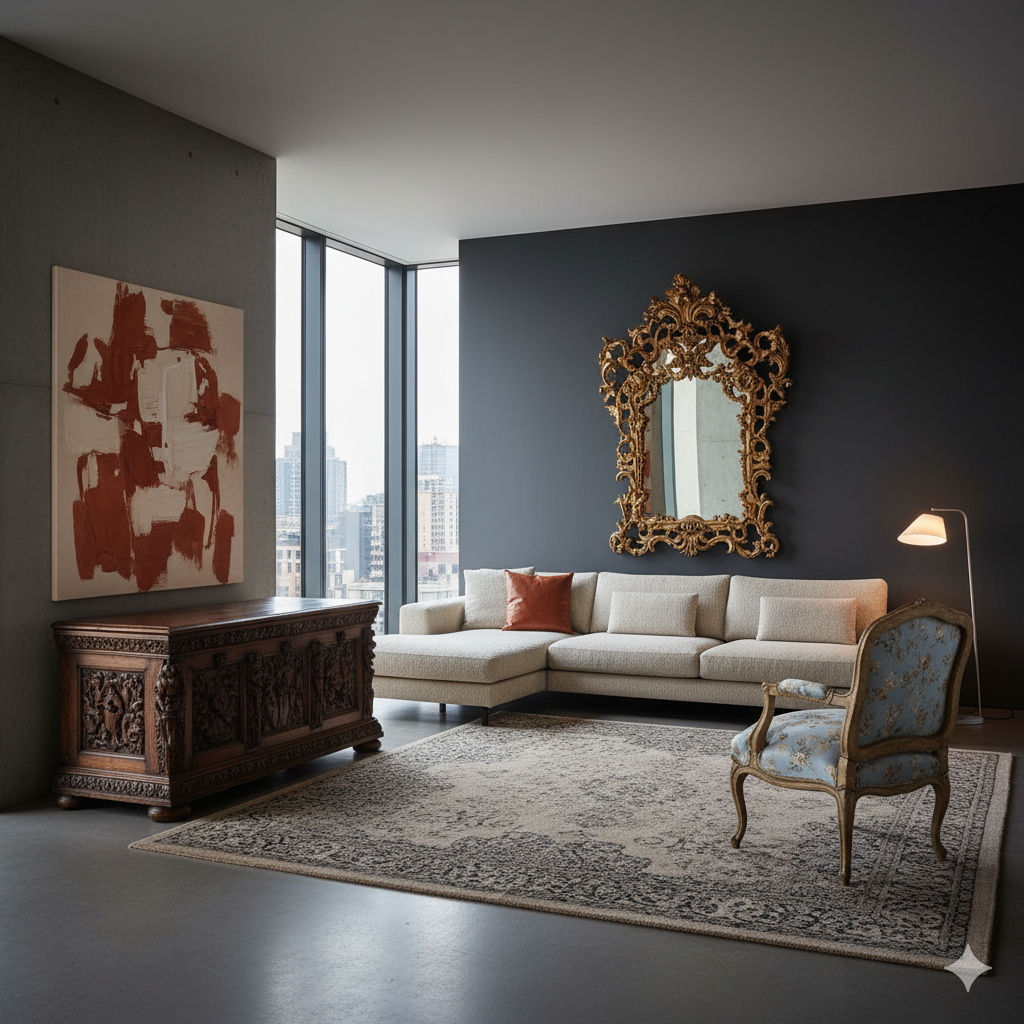
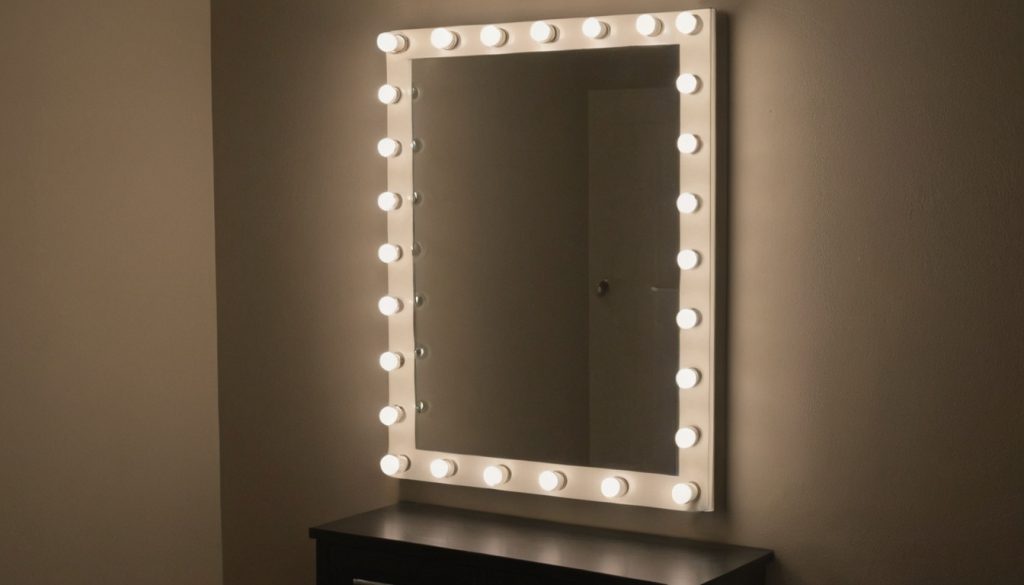
A large mirror can make a dim room feel brighter, but it can also double the worst lamp, window, or cluttered wall. Before buying floor mirrors, treat the glass like a lighting surface and ask what it will reflect from each normal eye position.
Do floor mirrors brighten a room or simply reflect the existing lighting problem?
Floor mirrors brighten a room only when they reflect useful brightness: soft daylight, pale walls, shaded lamps, or evenly lit surfaces. They do not brighten a room in a general way. They amplify the specific view inside the glass.
- Good reflection: pale wall, linen curtain, shaded daylight, matte bookcase, softly lit ceiling.
- Risk reflection: exposed lamp, pendant interior, low sun, glossy tile, polished floor, television screen.
- Material risk: polished stone may look bright in reflection, but the Natural Stone Institute warns that abrasive scouring products can scratch stone.
Glare is a comfort failure, not a taste dispute. A mirror that looks fine from the doorway may feel harsh from the sofa, bed, desk, dining chair, or wardrobe approach. ENERGY STAR notes that efficient LED lighting can save energy, but an efficient lamp can still create an uncomfortable reflected point of light.
Where should floor mirrors be placed to reflect daylight without harsh window glare?
Floor mirrors usually work best beside a window, angled toward a bright wall, or facing a softly lit surface rather than directly opposite a low sun path. The aim is to borrow daylight without creating a second window at eye height.
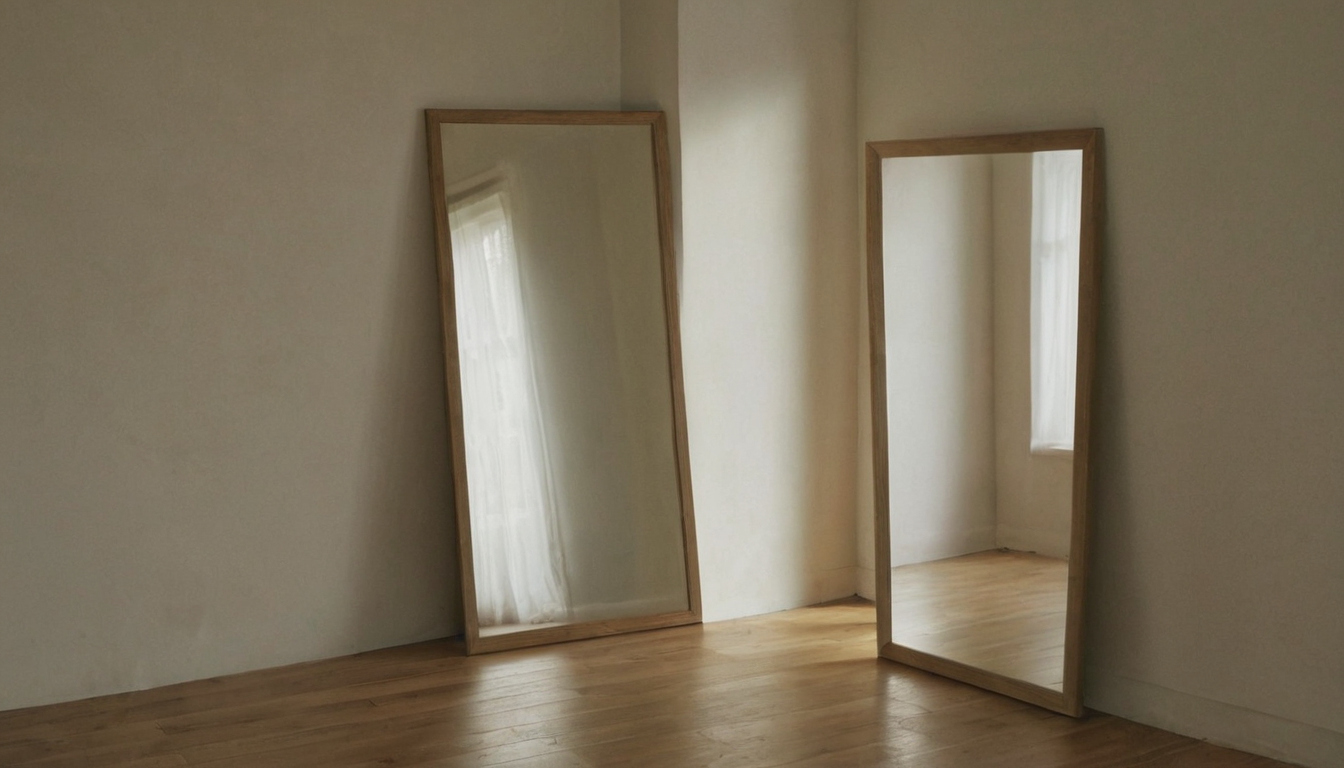
Where should floor mirrors be placed to reflect daylight without harsh window glare shown with practical context cues.
In a north-facing room, a mirror near the window can catch steady daylight and send it deeper into the space. In a south-facing room, keep the mirror out of direct sun and aim it toward a pale side wall, curtain, or matte painted surface.
A mirror opposite a window can work in a shaded room, but it often fails in east-facing bedrooms and west-facing living rooms, where low sun can land directly in the reflected view from the bed, sofa, or television position.
Where should floor mirrors not be placed in a house?
Floor mirrors should not be placed where they reflect bare bulbs, exposed LED strips, glossy floor hotspots, storage clutter, television screens, or direct sunlight into normal sightlines.
Stand at sofa height, bed height, desk height, and doorway height. If the mirror shows the underside of a pendant, the lens of a sconce, open wardrobes, shoe racks, laundry piles, crowded shelving, or media walls, move the mirror or change the shade.
If the mirror arrives with new furnishings, finishes, or cleaners, the U.S. Environmental Protection Agency identifies furnishings, building materials, paints, varnishes, waxes, and cleaning products as common indoor VOC sources and recommends more ventilation during use.
Tall leaning mirrors also need anti-tip planning in entries, children’s rooms, pet routes, and narrow circulation areas. Use the supplied hardware, choose anchors for the wall substrate, and keep the base out of door swings.
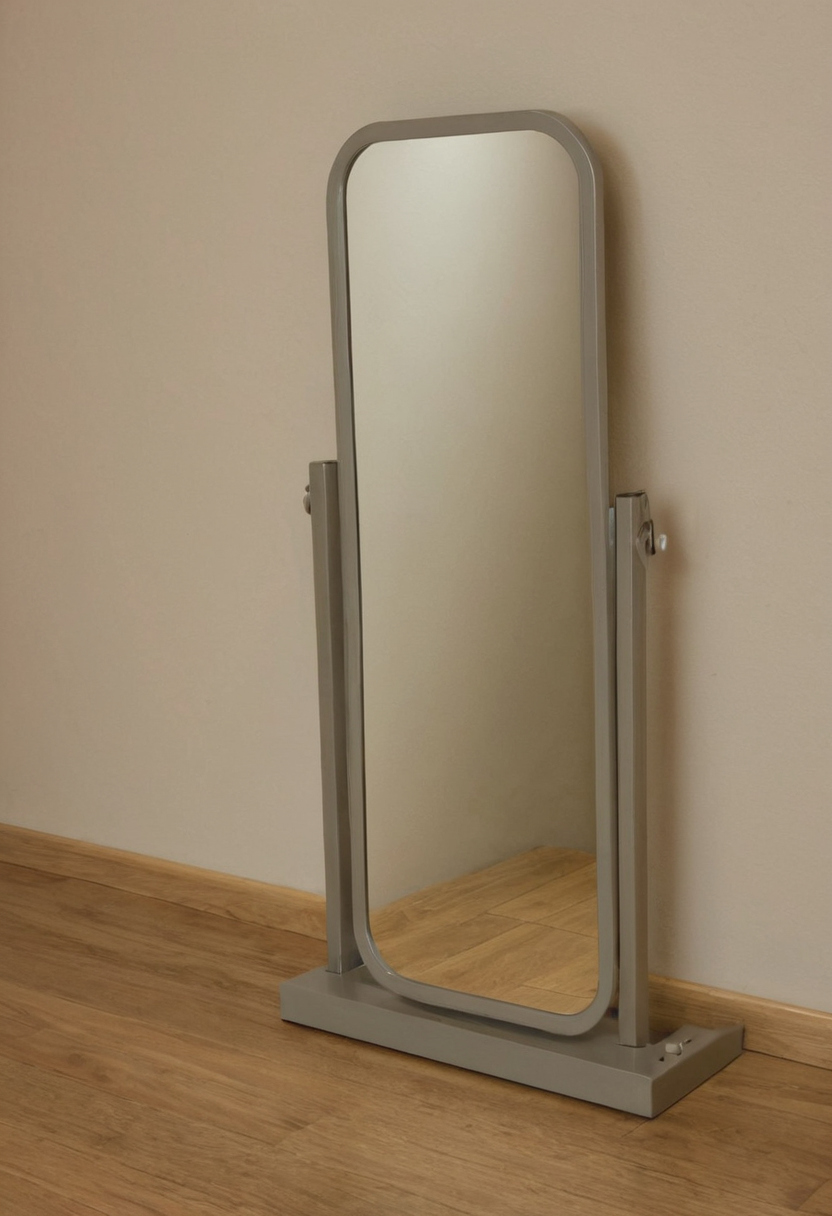
Where should floor mirrors not be placed in a house shown as an editorial planning reference.
How should lamps, sconces, and dimmers be arranged around floor mirrors?
Floor mirrors work best with shaded, diffused, or wall-washed light sources that dim and sit outside the main reflected sightline. The mirror should catch brightness on walls, shades, and ceilings, not the lamp filament, exposed LED diode, or intense fixture aperture.
Use shaded table lamps, opaque floor-lamp shades, fabric drum shades, and frosted globes so the mirror shows the shade glow or nearby wall, not the open top or underside of the shade. Bedrooms need stricter checks because a mirror can send bedside light into the pillow view; for related layout thinking, see this guide to bedroom interior design planning.
Wall washing is safer than aiming a spot at the mirror. Adjustable recessed fixtures, linear coves, or shielded sconces should brighten a matte or eggshell wall that the mirror reflects as a broad luminous plane.
Separate dimming helps because reflected light changes by time of day and viewing position. In bathrooms, closets on exterior walls, and laundry-adjacent dressing areas, the EPA states that wet or damp spots should be fixed promptly to prevent mold growth.
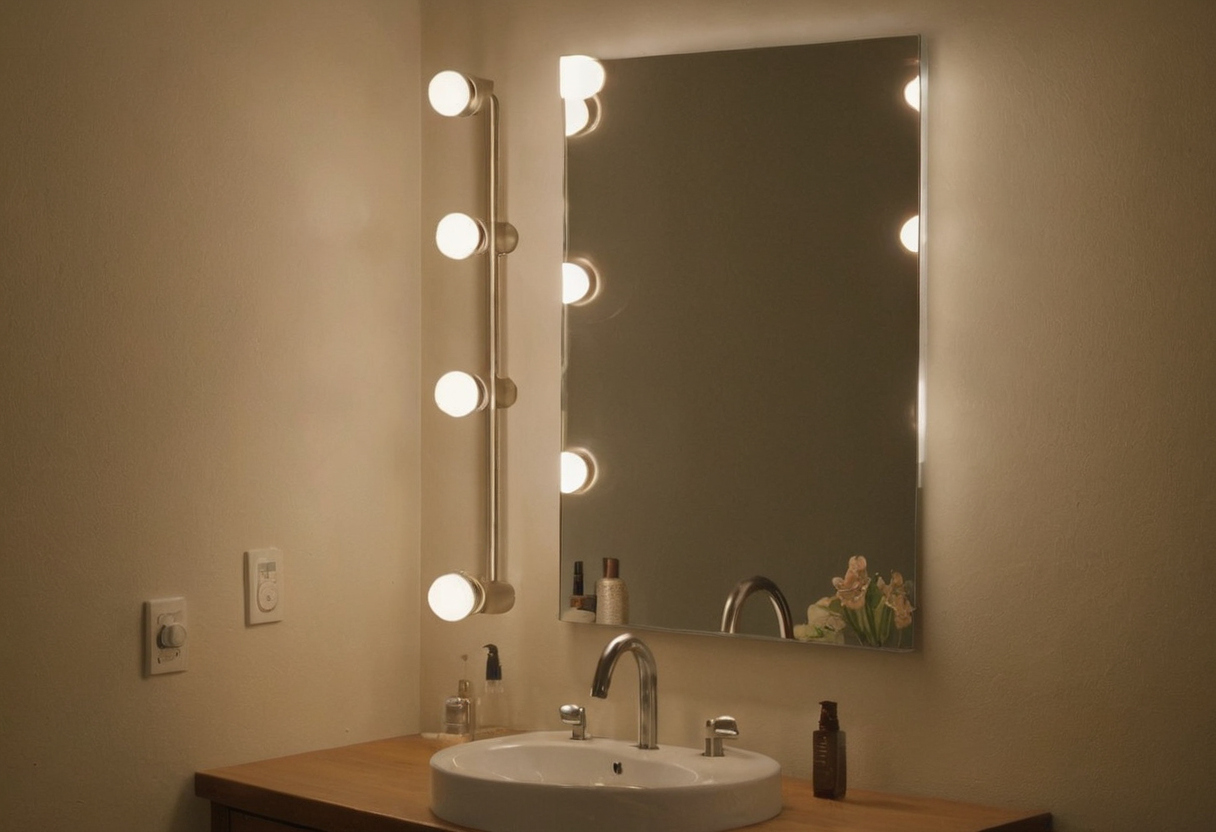
How should lamps, sconces, and dimmers be arranged around floor mirrors shown as an editorial planning reference.
Which floor mirror placement rules apply by room type?
Floor mirror placement changes by room because eye height, task, and lamp position change. A bedroom mirror must avoid night glare, a living room mirror must avoid screens and task lights, and an entry or dressing mirror must protect approach space.
Bedroom testing starts from the pillow, bed edge, and wardrobe position. If a shaded lamp or bright bulb appears at lying eye level, rotate the mirror toward a calmer wall.
Living room mirrors work best beside the sofa view, not inside it. Check seated eye height from reading chairs and sofas before accepting a brighter daylight reflection. For more on reflective surfaces and visual complexity, see this piece on designing with black glass and reflective surfaces.
Entry and dressing mirrors need clear step-back space, even front light, and no pinch point near doors or wardrobes. The right mirror size depends on the reflected job, not just the empty wall.
What should buyers check before purchasing large floor mirrors for brightness?
Buyers should check mirror height, width, frame depth, glass tint, anti-tip hardware, delivery access, wall condition, and the reflected view at home before purchasing. A mirror that looks correct online can still be too dark, too wide, too glossy, or difficult to secure.
Size the mirror to reflect a pale wall, artwork zone, daylight wash, or evenly lit dressing area. Do not size it to capture dark flooring, crowded shelving, or a bare lamp simply because the wall has room.
Standard, low-iron, tinted, smoked, and antiqued mirror glass change brightness and color accuracy. A glossy metal frame can also catch lamp highlights, so bedrooms and dressing areas need a room-light check before purchase.
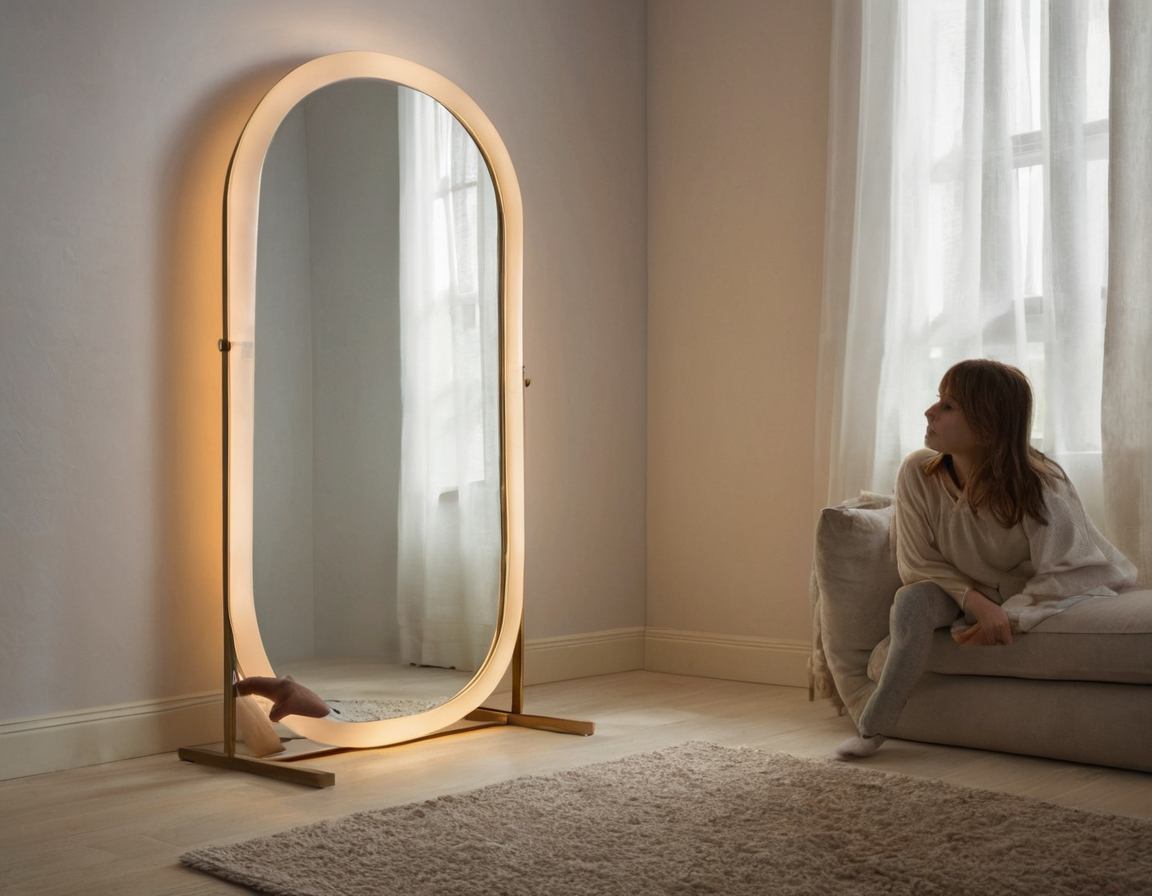
What should buyers check before purchasing large floor mirrors for brightness shown as an editorial planning reference.
Large leaning mirrors still need anti-tip planning. Check drywall, plaster, masonry, rental restrictions, stair turns, elevator size, packaging weight, and return terms before ordering.
How can homeowners test floor mirror glare before committing to a final position?
Homeowners should test floor mirrors by taping the proposed glass outline, checking reflections in daylight and lamp light, and judging the view from sitting, standing, and lying positions.
- Mark the intended height and width with painter’s tape.
- Use an existing mirror, reflective board, or dark phone screen to sample the reflection.
- Stand and sit at every normal eye position.
- Check east rooms in the morning and west rooms late afternoon.
- Turn on evening lamps, sconces, pendants, and task lights at normal settings.
Phone photos help compare positions, but phone exposure is not a lighting meter. Look for repeated bulbs, bright window patches, television reflections, crowded shelves, blocked circulation, and unsafe leaning angles.
- Pass: brighter wall, calmer view, clear approach space.
- Fail: exposed lamp, low sun, clutter, unsafe leaning position.
FAQ
Where should floor mirrors be placed to reflect light without glare?
Place floor mirrors beside windows, angled toward pale walls or softly lit surfaces. Avoid placing the mirror directly opposite low sun unless you have tested the view from seating and bed positions.
Where should you not place floor mirrors in a house?
Do not place floor mirrors where they reflect bare bulbs, LED strips, television screens, cluttered storage, direct sun, door swings, or narrow circulation routes.
Can floor mirrors brighten a dark room without adding more lamps?
Yes, if the mirror reflects a pale wall, curtain, ceiling, or daylight wash. A mirror aimed at dark flooring or clutter will add visual activity more than useful brightness.
Why can a floor mirror feel uncomfortable at night?
At night, lamps become the dominant bright points in the room. If a mirror reflects an exposed bulb, sconce lens, or open shade, the user sees the light source twice.
Should a floor mirror face a window, a wall, or a lamp?
A floor mirror should usually face a pale wall or soft daylight near a window. It should not face an exposed lamp unless the reflected source is shaded, dimmed, and outside normal sightlines.